
 Xenical and Nutrient Absorption: What You Need
How Xenical Works to Block Fat Absorption
On a cold morning a patient told me she felt betrayed by her body; she had imagined warmth from every bite, not a hidden interception. I explain the journey of dietary fat from plate to cell, turning a clinical idea into a human story.
At the biochemical level a medication prevents enzymes from cleaving triglycerides, so fats stay intact and pass through the gut. This reduces calories absorbed and leads to oily stools, but the tradeoff can be managed with diet and monitoring.
Quick summary:
| Aspect | Effect |
|---|---|
| Fat intake | Reduced absorption |
| Vitamins | Lower fat-soluble uptake |
Understanding this helps choose meals and supplements wisely; doctors can test levels if deficiencies are likely. Adjustments are neccessary to keep weight and nutrition balanced.
Which Nutrients Are Affected by Xenical Use

I remember the first days on xenical, when meals felt oddly altered and curiosity nudged me to investigate beyond the scale. That curiosity led to reading research, trying new foods, and adjusting habits daily.
Clinically, blocking fat absorption changes delivery of fat-soluble vitamins and essential fatty acids; the body may absorb less A, D, E and K unless dietary choices or supplements compensate.
Many patients also notice reduced absorption of carotenoids and omega-3 compounds, which can affect vision and inflammation control; monitoring intake is a simple, proactive step.
Talk to your clinician about testing levels, timing supplements with meals rich in fat, and how to Aquire nutrients safely—small changes prevent deficiencies without sacrificing xenical’s benefits.
Fat-soluble Vitamins: Risks and Supplement Strategies
Imagine your body as a pantry where vitamins A, D, E and K are stored in the back shelves; when medications like xenical reduce fat absorption those shelves can slowly empty. Deficiencies may creep up with subtle signs — dry skin, bruising, low mood, bone pain — and are often missed until more serious consequences occur. Regular awareness and periodic checks help catch shortfalls before they affect energy, immunity and long-term bone health.
Supplement strategies balance prevention without overdoing supplementation: a daily multivitamin with the four fat-soluble vitamins as baseline, targeted higher doses only after confirmed deficiency, and taking supplements with a small fatty snack to enhance absorption. Work with a clinician to choose formulations and monitoring intervals, report odd symptoms promptly, and avoid self-prescribing megadoses unless neccessary; personalized plans help preserve nutrition while letting treatment work, and schedule follow-ups.
Timing Meals and Doses to Maximize Benefits
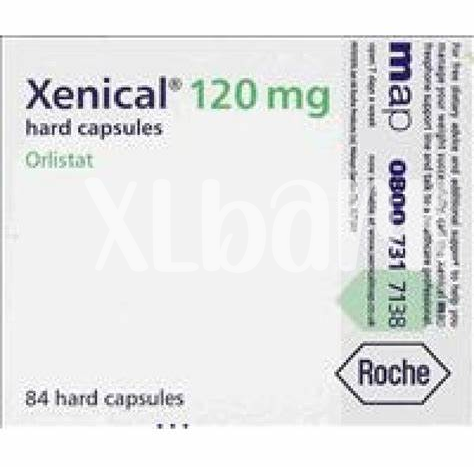
I remember the first week on xenical: I sat at the table calculating which meals deserved the pill, learning that timing matters as much as choice.
Take a dose with each meal that contains fat, during the meal or within an hour after; if you skip a meal or eat no fat, skip the dose. Occassionally people take it with two meals if breakfast is light.
Protect vitamin status by taking a multivitamin at least two hours before or after xenical, or at bedtime. Keep fat intake steady so absorption of fat-soluble nutrients doesn't swing.
Simple routines help: set phone alarms, plan meals, and discuss schedules with your clinician so the regimen fits your life.
Managing Gastrointestinal Side Effects Without Compromising Nutrition
Start by acknowledging that xenical's mechanism can lead to sudden oily stools and urgency; framing it as an expected trade-off helps patients stay engaged. Encourage frequent meals with complex carbohydrates and lean protein to stabilize digestion. Emphasize hydration and soluble fiber to thicken stools and reduce frequency.
If cramping or gas occur, suggest reducing high-fat portions immediately and choose low-fat snacks for several days. Occassionally probiotics can ease bloating for some people, while mindful chewing and avoiding fizzy drinks reduce discomfort. Coordinate with clinicians to adjust dose timing rather than stopping medication abruptly.
Track patterns with a food diary and report persistent issues; blood tests can monitor fat-soluble vitamins. Simple adjustments often restore balance:
| Symptom | Quick fix |
|---|---|
| Oily stools | Reduce fat servings; add soluble fiber, small low-fat meals |
| Gas | Probiotics, avoid carbonated drinks |
| Cramps | Try gentler fats and chew slowly |
When to Test Nutrient Levels and Seek Advice
I remember my first appointment when the clinician suggested Xenical; it felt empowering, but also raised questions about hidden losses in nutrition. Before beginning, ask for baseline levels of fat‑soluble vitamins and a lipid panel so you have a reference point.
Follow‑up testing is usually sensible within three months, then at six to twelve months if results are stable. Seek advice sooner if fatigue, easy bruising, vision changes, or severe GI effects occur, or if you are elderly, pregnant, or have malabsorption conditions.
Practical steps include requesting vitamin A, D, E and K assays, and discussing supplementation with Teh prescriber or dietitian; keep a symptom diary so trends guide repeat testing. MedlinePlus: Orlistat NHS: Orlistat

Join our mailing list to receive the latest news and updates from our team.