
 Kids and Ventolin: Teaching Proper Inhaler Use
Why Ventolin Matters: Quick Relief for Kids
When a child starts wheezing, Ventolin can feel like a small, instant rescue. Parents watch breathing relax as tightness eases, often within minutes after a proper single puff.
That speed matters. Quick relief lowers anxiety for the child and caregiver, reduces school absences, and can prevent an emergency when used correctly and early each time.
Teaching correct technique matters as much as having the inhaler. A well-delivered dose reaches airways faster, so simple practice becomes powerful protection against worsening symptoms and emergencies.
Health teams stress keeping Ventolin accessible, teaching quick recognition of triggers, and reviewing inhaler drills regularly. Confidence grows when children practice and understand why each step matters daily.
| Use during sudden breathing trouble |
Age-appropriate Teaching: Tailoring Technique to Development

When a toddler struggles to breathe, a calm caregiver becomes a coach, turning treatment into trust. For little ones, demonstration and play—blowing bubbles, pretending to roar—help them accept the mask and spacer. Short, soothing steps with praise build cooperation and reduce fear.
School-age children can learn simpler mechanics: shake, breathe out, seal lips, press the canister and inhale slowly. Practice with a dummy spacer and a timer makes the process concrete, while explaining how a ventolin inhaler eases tight chests empowers understanding and adherence.
Teenagers benefit from independence plus respect—teach proper technique, track doses, and involve them in refill decisions. Adjust explanations to maturity, encourage questions, and celebrate progress so inhaler skills become a confident habit rather than a chore. Offer practical tips like carrying a spacer in a small case and setting phone reminders to maintain consistent use daily.
Step-by-step Inhaler Technique Every Child Should Learn
Begin by showing the child the device, shaking the ventolin inhaler, removing the cap, and asking them to breathe out fully. Place the mouthpiece between lips or fit a mask, press once as the child inhales slowly and deeply for five seconds, then hold their breath for about ten seconds.
With a spacer attach it and demonstrate calmly: one puff per inhalation, pausing thirty seconds between puffs. Praise attempts, count breaths together, and practice with an empty inhaler so the child gains confidence. Clean and check doses regularly for safety.
Spacer and Mask Use: Choosing Right Equipment
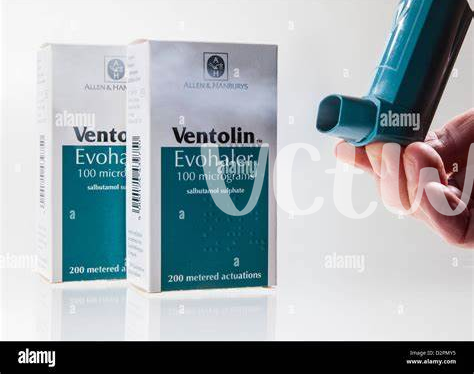
I watched my niece learn with a spacer and giggle at the mask before calming when the medicine worked. Pick a size for the child: mask for toddlers, mouthpiece for older kids.
Teach a tight seal and slow breaths; press the canister as the child inhales. Confirm the spacer fits the ventolin inhaler, follow instructions, and choose soft masks for comfort.
Practice with empty devices, clean regularly, and replace worn valves or masks. Let kids pick colorful cases and routines so treatment feels familiar and less scary, and celebrate success.
Common Mistakes, Troubleshooting, and How to Fix
Parents often discover small habits that stop quick relief: shaking is skipped, timing is rushed, or the child's lips don't seal properly. Tell a short story: one mom watched her son sneeze away a puff until she learned to slow down and hold a gentle breath. Simple fixes make the ventolin inhaler far more effective and less scary for kids.
Common checks help: look for empty canisters, blocked mouthpieces, or outdated prescriptions. Teach counting for puff spacing and demonstrate mask placement for toddlers. Encourage questions and practice with pretend treatments so kids build confidence, and always review technique at visits to catch mistakes early and keep rescue doses reliable.
| Problem | Fix |
|---|---|
| Poor seal | Use spacer |
Making Inhaler Time Fun: Rewards and Routines
Turn inhaler time into a short, predictable ritual: sing a two-line breathing song, use a consistent timer, and let the child press the inhaler when able. Framing it as a superhero breather helps reduce resistance and builds confidence, while small stickers celebrate each successful use.
Teach routines with age-appropriate steps, praise effort, and offer tiny rewards like extra storytime. Practice with empty devices and spacers so skills feel safe. Over time the routine becomes automatic, easing emergencies and giving both parent and child a calm, reliable way to manage wheeze. NHS: Salbutamol Asthma UK: Spacers and inhalers

Join our mailing list to receive the latest news and updates from our team.