
 **nolvadex: Key Uses in Breast Cancer Treatment**
Understanding Nolvadex: Mechanism of Action in Treatment
Nolvadex, a selective estrogen receptor modulator (SERM), plays a crucial role in the treatment of breast cancer by altering how estrogen affects breast tissues. By binding to estrogen receptors, it blocks estrogen's ability to stimulate the growth of hormone-sensitive cancer cells. This mechanism not only reduces tumor proliferation but also prevents cancer recurrence, making it a fundamental therapy for many patients.
The effectiveness of Nolvadex is particularly evident in hormone receptor-positive breast cancers, where estrogen promotes tumor growth. By inhibiting estrogen's action, Nolvadex directly targets the cancer’s growth signals. This targeted approach is vital in enhancing patient outcomes, contributing to longer survival rates and improved quality of life during and after treatment.
Understanding the intricate functioning of Nolvadex can help patients and healthcare professionals make informed treatment choices. Its strategic use in therapy illustrates the ongoing advances in cancer care, emphasizing personalized medicine that aims to improve therapeutic efficacy while minimizing unwanted side effects. Recognizing Nolvadex's pivotal role is essential for navigating the complexities of breast cancer treatment.
| Aspect | Details |
|---|---|
| Type of Drug | Selective Estrogen Receptor Modulator (SERM) |
| Primary Use | Treatment of hormone receptor-positive breast cancer |
| Mechanism | Blocks estrogen from stimulating cancer cell growth |
| Impact | Reduces tumor proliferation and cancer recurrence |
Nolvadex's Role in Hormone Receptor-positive Breast Cancer
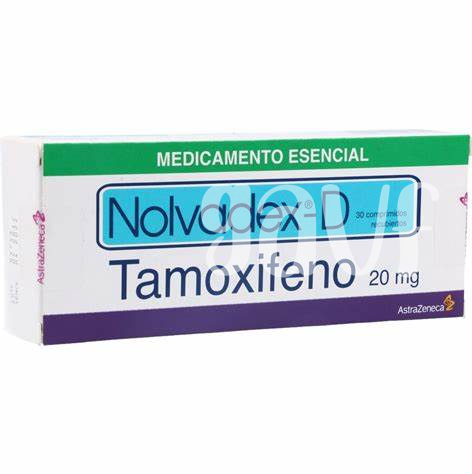
Hormone receptor-positive breast cancer is characterized by the presence of estrogen and/or progesterone receptors on tumor cells, which can drive tumor growth. In this context, the use of nolvadex becomes crucial. By selectively blocking estrogen from binding to these receptors, it effectively halts the proliferation of cancer cells. This targeted approach not only helps in managing the disease but also minimizes potential side effects when compared to more aggressive treatments.
Patients receiving nolvadex benefit from a strategic treatment plan that may include palpitations of the cancer's progression and a reduction in the risk of recurrence. Clinical studies have demonstrated that women with early-stage, hormone receptor-positive breast cancer can significantly improve their survival rates when treated with this medication. This benefit highlights the importance of tailored therapies that consider the unique characteristics of each tumor.
Additionally, nolvadex is often utilized after primary treatments, such as surgery or radiation, to prevent the return of cancer. Its role in adjuvant therapy underscores the necessity of ongoing monitoring and adaptability in treatment regimens. Through regular assessments, healthcare providers can optimize dosages, ensuring that patients receive the maximum potential benefits of their therapy.
With a clear understanding of its targeted action, healthcare professionals can better inform patients about the significance of nolvadex in their treatment plans. This empowers patients to engage actively in their healthcare decisions, reinforcing the value of knowledge in managing their condition. As research progresses, the future of treatment options will likely expand, building on the foundation laid by effective therapies like nolvadex.
Optimal Dosage and Administration for Effective Results
Determining the appropriate dosage of Nolvadex is crucial for maximizing its benefits while minimizing potential side effects. Typically, the standard prescribing dose is 20 to 40 mg taken daily, but this can vary based on individual patient factors, including cancer stage and response to treatment. Adhering to a regular dosing schedule enhances drug absorption and overall effectiveness, creating a consistent therapeutic environment.
The method of administration is equally significant. Nolvadex can be taken orally, with or without food, offering flexibility that aids patient compliance. Additionally, doctors may recommend breaking the dose into two separate administrations throughout the day. This strategy can help maintain more stable drug levels in the bloodstream, further supporting the drug's anti-estrogen activity in hormone receptor-positive breast cancer.
Regular follow-ups are necessary to monitor effectiveness and adjust dosage if needed. By personalizing the treatment plan, healthcare providers can ensure that patients receive the best possible outcomes from Nolvadex.
Common Side Effects and How to Manage Them

Patients taking Nolvadex may experience several side effects related to its hormonal activity. Commonly reported issues include hot flashes, nausea, fatigue, and changes in menstrual cycle patterns. While these effects can be disconcerting, they often diminish over time as the body adjusts to the medication. To manage these symptoms, healthcare providers typically recommend lifestyle modifications such as maintaining a healthy diet, engaging in regular exercise, and utilizing relaxation techniques.
For more severe side effects, like blood clots or vision changes, it is crucial to communicate openly with a healthcare professional. They can provide tailored guidance, potentially adjusting the treatment plan or suggesting supportive therapies to enhance comfort and maintain the effectiveness of Nolvadex in breast cancer treatment.
Nolvadex in Combination Therapies: Enhancing Efficacy
In the realm of breast cancer treatment, combining therapies has emerged as a promising strategy to boost therapeutic effectiveness. When used alongside other agents, nolvadex can enhance the overall response to treatment, especially in hormone receptor-positive cases. By inhibiting estrogen's effects, it paves the way for complementary medications to target various pathways of cancer growth and proliferation.
One noteworthy combination involves using nolvadex with aromatase inhibitors. This pairing exploits the strengths of both medications, enhancing the suppression of estrogen levels while amplifying the anti-cancer benefits. Furthermore, studies indicate that integrating nolvadex with targeted therapies, such as CDK4/6 inhibitors, may yield significant improvements in progression-free survival, highlighting its versatility in treatment protocols.
Combining therapies not only aids in managing resistance but also contributes to personalized treatment plans tailored to individual patient needs. As research continues to explore these synergies, the potential for nolvadex to play a pivotal role in combination approaches becomes increasingly evident, underscoring its vital place in modern oncological practice.
| Combination Therapy | Benefits |
|---|---|
| Nolvadex + Aromatase Inhibitors | Enhanced estrogen suppression |
| Nolvadex + CDK4/6 Inhibitors | Improved progression-free survival |
| Nolvadex + Chemotherapy | Increased treatment efficacy |
Current Research Trends and Future Directions for Nolvadex
As the landscape of breast cancer treatment evolves, researchers are increasingly focused on refining the applications of Nolvadex. Recent studies have explored its potential effectiveness when used alongside newer targeted therapies, such as CDK4/6 inhibitors and aromatase inhibitors. This combination approach may enhance patient outcomes and provide a more comprehensive strategy for managing hormone receptor-positive breast cancer. Additionally, investigations into personalized medicine are gaining traction, assessing how genetic markers can inform the use of Nolvadex for individuals, potentially leading to tailored treatment plans.
Ongoing clinical trials continue to evaluate not only Nolvadex’s efficacy but also its long-term safety profile and optimal duration of therapy. Researchers are delving into its effects on various demographics, including younger patients and those with pre-existing conditions. These insights could prove invaluable, ensuring that treatment regimens align better with patient needs while minimizing adverse effects.
Furthermore, the advent of technology in medical research promises to accelerate the exploration of Nolvadex's mechanisms. Innovations in biomarker identification and patient response monitoring could pave the way for more precise therapeutic applications. This proactive approach aims to not only improve survival rates but also enhance the quality of life for patients navigating the complexities of breast cancer treatment.

Join our mailing list to receive the latest news and updates from our team.