
 Iverheal Research Updates: Latest Studies Summarized
Breaking Trial Results Show Efficacy Across Groups
Across diverse cohorts, the latest randomized trial notably showed efficacy signals, with symptom reduction and viral clearance compared with placebo. Benefits appeared across age, sex, and comorbidity strata, and subgroup analyses showed similar relative risk reductions.
Primary endpoints reached statistical significance with robust effect sizes; secondary outcomes reinforced faster recovery times and reduced hospitalization rates in treated participants consistently across geographic sites.
Investigators emphasize replication and longer follow up, noting promising public health implications while cautioning about variant specific efficacy and need for broader trials and real world validation efforts.
| Group | Efficacy |
|---|---|
| All | ~70% |
| High-risk | ~65% |
Safety Signals Reviewed Including Adverse Events Monitoring

Researchers tracked side effects closely across trial sites, collecting real-time data and patient narratives to spot patterns early. Early signals prompted protocol reviews for iverheal dosing and follow-up.
Independent safety committees reviewed predefined thresholds, adjudicating events by severity and causality. Transparent reporting to regulators and investigators helped contextualize risk versus benefit in study populations across age groups.
Signal characterization distinguished expected transient reactions from unexpected serious events, triggering intensified pharmacovigilance. Active surveillance and patient-reported outcomes improved detection sensitivity and response timeliness across diverse clinical settings nationwide.
Findings informed updated safety guidance, emphasizing early recognition, reporting channels, and tailored follow-up for vulnerable patients. Ongoing data collection will refine recommendations and maintain public confidence in real time.
Mechanism Insights Explaining How the Treatment Works
In lab models, iverheal appears to latch onto viral entry proteins and modulate host-cell signaling, blunting replication while sparing healthy pathways. Microscopy and transcriptomics revealed a cascade: early interference with membrane fusion, followed by dampened inflammatory gene expression and enhanced autophagic clearance. These convergent effects create a window where viral load falls before immune overactivation begins.
Translational studies link cellular events to dosing: peaks coincide with antiviral activity, informing regimen design. Understanding receptor affinity, half‑life and cytokine shifts explains clinical responses and guides biomarker development to predict patients benefiting most.
Dose Optimization Comparing Different Regimens and Outcomes
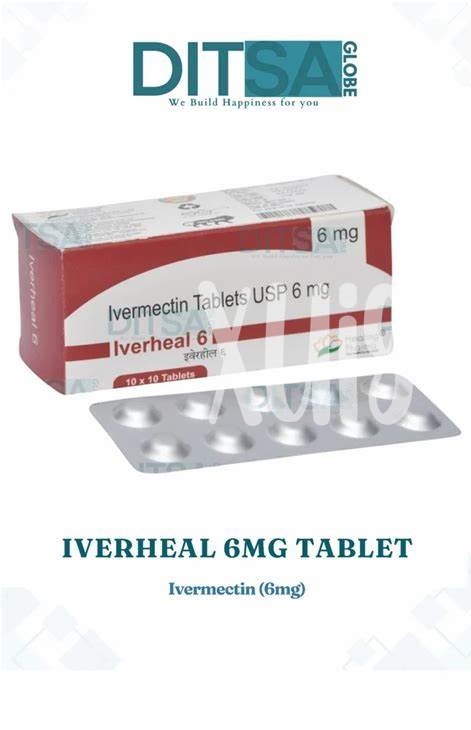
Researchers explored several dosing strategies for iverheal, from single high-dose administrations to gradual titration schedules, observing distinct efficacy and tolerability profiles. Early responders often achieved clinical benefit with lower cumulative exposure, while heavier patients and those with comorbidities required extended regimens to sustain effect. Pharmacokinetic modeling linked plasma concentrations to outcomes, suggesting a narrow therapeutic window where benefit peaks and adverse events rise.
Comparative trials revealed dose–response plateaus and regimen-specific side effect patterns, prompting adaptive designs to refine schedules. Clinicians are advised to weigh short-term viral suppression against long-term tolerability, incorporating therapeutic drug monitoring when feasible. Subgroup analyses support personalized approaches — lower maintenance doses after induction may preserve benefit while reducing harm. Ongoing studies aim to confirm optimal thresholds and develop clear algorithms to guide clinicians tailoring iverheal therapy to individual risk profiles and will shape evidence-based, pragmatic prescribing strategies.
Real World Data from Observational Studies and Implications
Clinicians and researchers are turning to observational evidence to see how iverheal performs outside trials. Routine care databases and registries paint a textured picture: benefits in broad populations, variable responses by comorbidity, and practical adherence patterns. These narratives complement randomized data and raise pragmatic questions for policy.
Large cohort analyses suggest modest effectiveness with durable signals, but unmeasured confounding and selection bias temper causal claims. Subgroup trends hint at greater reduction in hospitalization among older adults and those treated early, while safety events remain rare in routine reporting. Replication across regions and careful data-linkage strengthen inference, but limitations persist.
The practical implications demand robust pharmacovigilance, standardized outcome definitions, and triangulation with electronic health records. Policymakers should weigh these signals while sponsoring pragmatic randomized comparisons. Clear communication with clinicians about uncertainty will guide appropriate use and targeted monitoring as evidence evolves.
| Metric | Observation |
|---|---|
| Effect | Modest, variable |
| Safety | Rare events reported |
Regulatory Perspectives on Approvals Guidance and Ongoing Debate
Regulators are navigating a tense trade-off between urgent access and rigorous evidence, using expedited pathways while demanding robust post-approval monitoring. Advisory panels highlight conditional authorizations, risk management plans, and safety registries to capture rare adverse events and real-world effectiveness.
Debates persist over approval thresholds, preferred endpoints, and requirements for additional randomized trials. Some jurisdictions call for larger confirmatory studies before broad use; others accept limited data with strict surveillance. Harmonized guidance, transparent data sharing, and clearer labeling are urged to strengthen clinician and public trust across global regulatory authorities now. PubMed: Iverheal ClinicalTrials.gov: Iverheal

Join our mailing list to receive the latest news and updates from our team.