
 Cephalexin Interactions: What You Should Know
Drugs That Raise Bleeding Risk with Cephalexin
An unexpected bruise or prolonged bleeding after a scratch can prompt concern, especially when antibiotics enter the mix. While cephalexin rarely causes bleeding alone, combining it with certain agents raises risk and merits attention.
Common culprits include warfarin and other anticoagulants, antiplatelet drugs like aspirin or clopidogrel, and frequent NSAID use; some antidepressants (SSRIs) can also increase bleeding tendency. Coordination with your prescriber is key.
| Medicine | What to watch for |
|---|---|
| Warfarin | INR elevation, bruising |
| Aspirin or Clopidogrel | Easy bruising, prolonged bleeding |
| NSAIDs | Gastrointestinal bleeding risk |
If you take these medications, tell your clinician before starting cephalexin. They may order more frequent INR checks, suggest alternatives, or advise when to promptly seek care for bleeding signs.
Probenecid and Other Medicines Altering Cephalexin Levels
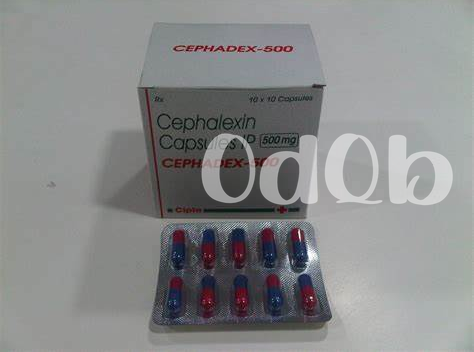
Some drugs reduce renal excretion, causing higher cephalexin levels. Probenecid is well known for this effect; by blocking tubular secretion it prolongs antibiotic exposure and can increase side effects.
Conversely, agents that bind or adsorb drugs in the gut may lower absorption. Antacids containing aluminum or magnesium, and activated charcoal, can reduce oral cephalexin uptake if taken simultaneously.
Higher concentrations raise risks such as nausea, diarrhea, or neurologic symptoms in susceptible patients, while lower concentrations risk treatment failure. Dosage adjustments and timing strategies often manage these interactions.
Always tell your clinician about all medicines and supplements you take. They may adjust dose, spacing, or choose an alternative to keep therapy safe and effective, with monitoring.
Avoid Combining Cephalexin with Nephrotoxic Agents
Imagine your kidneys balancing a tightrope while antibiotics do their work. When cephalexin is paired with other kidney-stressing drugs—such as aminoglycosides, vancomycin, certain diuretics or high-dose NSAIDs—the risk of renal injury rises. Clinicians weigh benefits, check kidney function, and adjust therapy to prevent harm.
Patients should stay well hydrated, report decreased urine output, and avoid unnecessary contrast studies or multiple nephrotoxins together. Labs like serum creatinine guide decisions; elderly or those with preexisting kidney disease need closer monitoring and dose adjustments considered.
Alcohol, Recreational Drugs, and Symptom Masking Risks
Even a casual drink or party drug can complicate an antibiotic course; mixing cephalexin with ethanol or stimulants may increase dizziness, nausea, or unusual sedation and can strain the liver. Patients should know that impaired coordination raises injury risk and may amplify side effects that are usually tolerable when sober.
Using recreational substances can mask fever or pain, delaying medical help when an infection worsens; alcohol might alter immune responses and slow recovery. If you experience worse symptoms, stop substances and contact your clinician to avoid complications and treatment failure.
Cephalexin, Probiotics, and Gut Microbiome Considerations
Antibiotics can disrupt gut balance; cephalexin may reduce beneficial bacteria. Simple measures can ease symptoms: brief dietary shifts, fermented foods, and timing of supplements alongside antibiotic courses.
Consider a short probiotic regimen after therapy to help recolonize the microbiome, choosing strains clinically shown to prevent antibiotic-associated diarrhea; consult your clinician about timing relative to medication doses.
Short courses typically allow recovery, but prolonged or severe symptoms deserve follow up. Track bowel changes, hydration, and appetite, and inform your prescriber if problems persist beyond expected recovery rapidly.
| When | Action |
|---|---|
| After | Start-probiotic |
Does Cephalexin Affect Birth Control Effectiveness?
I once worried when prescribed cephalexin mid-cycle; reassuringly, evidence shows most common antibiotics don’t reduce hormonal contraceptive effectiveness in typical use or cause failure.
Only enzyme-inducing drugs like rifampin are proven to lower hormone levels, shorten contraceptive protection, and increase pregnancy risk substantially in typical users.
Still, use backup methods if you experience severe vomiting, diarrhea, or are concerned; check with your clinician for individualized advice and reassurance.
Reliable sources include NHS guidance and the cephalexin drug information; read them or ask a pharmacist for clarity or guidance. NHS MedlinePlus

Join our mailing list to receive the latest news and updates from our team.