
 Atarax for Sleep: Does It Really Help Insomnia?
What Is Atarax and How Is It Used?
Many might be surprised to learn that Atarax was initially designed as an antihistamine, primarily for allergies 🤧. However, over time, its sedative properties have made it a go-to option for those struggling with anxiety and sleeplessness. Doctors often prescribe Atarax in tablet or syrup form, and it's usually taken before bedtime when aiming for restful sleep.
Teh typical process involves starting with a low dose, carefully monitored for side effects or effectiveness. Unlike some sedatives, Atarax does not create a dependancy, wich appeals to people concerned about long-term use. Still, it's important to follow precise dosing instructions and never exceed the recommended amount.
| Form | Common Use | Administration Time |
|---|---|---|
| Tablet | Allergy, Sleep Aid | Before Bed |
| Syrup | Children, Sleep | Before Bed |
How Atarax Affects the Brain and Sleep Cycle

When atarax enters the body, it works mainly by slowing down the activity in the central nervous system.🎯 This sedative effect is a result of blocking specific histamine receptors in the brain—these same receptors are involved in processes that regulate alertness and the sleep-wake cycle. As histamine levels drop, the brain becomes less stimulated, which helps ease the transition into drowsiness and ultimately sleep.
The calming sensation many users experiance with atarax isn’t just in their mind; it’s encouraged by a decrease in nerve cell activity. For people with racing thoughts or anxiety that keeps them awake at night, this can make a noticable difference. Instead of struggling to unwind, they often feel a gentle sense of relaxation spreading through their body, making it easier to drift off.✨
However, it’s important to note that while atarax does promote a sedative effect, its impact on the natural sleep cycle can vary from person to person. Some people may find their sleep feels more restful, while others might notice increased grogginess the next day. Ultimately, individual brain chemistry and the presence of other sleep-affecting factors play a big role in how well atarax works as a sleep aid.
Scientific Evidence: Does Atarax Really Improve Sleep?
When people struggle with sleep, atarax is sometimes prescribed as a solution. 💤 Several clinical studies have occured, but results are a mix. Some research suggests atarax may reduce the time it takes to fall asleep and improve overal sleep quality in patients with anxiety-linked insomnia.
However, the evidence is noticable for short-term use rather than long-term effectiveness. Researchers often compare atarax to placebo and find modest improvements, especially in those whose sleep issues stem from tension or stress.
Still, doctors emphasize that atarax is not FDA-approved specificaly for insomnia, so more long-term investigations are needed. ⭐
Potential Side Effects of Using Atarax for Insomnia
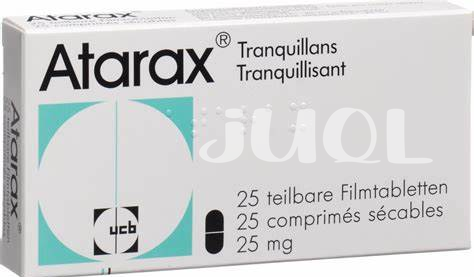
Many people turn to atarax hoping for peaceful nights, but side effects can sometimes overshadow its benefits. Drowsiness is almost a given, sometimes lingering well into the day 😴. Others may experiance dry mouth, headaches, or even blurred vision. For some, dizziness makes daily tasks trickier than expected.
It’s important to note that allergic reactions, though rare, have occured and may be serious. Always inform your doctor if you have a history of allergies or unusual reactions to medications. Your safety should definately take priority when deciding on any sleep aid.
Mixing atarax with alcohol or other sedatives amplifies risks like extreme drowsiness or confusion. Be cautious with driving and other activities requiring full alertness. 🚗
Regular check-ins with your healthcare provider ensure your sleep aid isn't causing more harm than good. Vigilance goes a long way in acheiving restful, safe sleep.
Comparing Atarax with Other Sleep Medications
When looking at atarax as a sleep aid, it helps to understand how it stacks up against other commonly prescribed options like zolpidem (Ambien) or over-the-counter antihistamines such as diphenhydramine. Unlike sedative-hypnotics, atarax is an antihistamine that exerts a calming effect without creating strong dependencies, wich can be a big advantage for those worried about long-term use. However, many users notice that its sleep-inducing properties are milder, especially compared to more potent prescription alternatives. 😴
Notably, atarax is less likely to be habit-forming and generally produces fewer next-day “hangover” effects than some traditional sleep medications. Still, individuals may experiance drowsiness upon waking or mild grogginess. Always consult your healthcare professional to choose the option that best fits your unique sleep challenges and health profile. 🌙
| Medication | Type | Main Advantages | Main Drawbacks |
|---|---|---|---|
| Atarax | Antihistamine | Non-habit forming, mild next-day effects | Less potent, possible drowsiness |
| Zolpidem | Sedative-hypnotic | Strong sleep induction | Risk of dependence, morning grogginess |
| Diphenhydramine | Antihistamine | OTC availability | Potential for tolerance, hangover feeling |
Tips for Using Atarax Safely for Better Rest
Before starting Atarax for sleep, always consult your healthcare provider to determine the right dosage and timing. Be sure to inform them about any other medicines you're taking, as interactions can definately Occur. Avoid consuming alcohol or other sedatives alongside Atarax, as this may increase drowsiness or risk of side-effects. 🚫 Establishing a nightly routine and maintaining a calm enviroment can further support the medication’s benefits. 🌙 Follow prescription instructions closely and never exceed the recommended dose. NCBI Atarax, Drugs.com Hydroxyzine

Join our mailing list to receive the latest news and updates from our team.